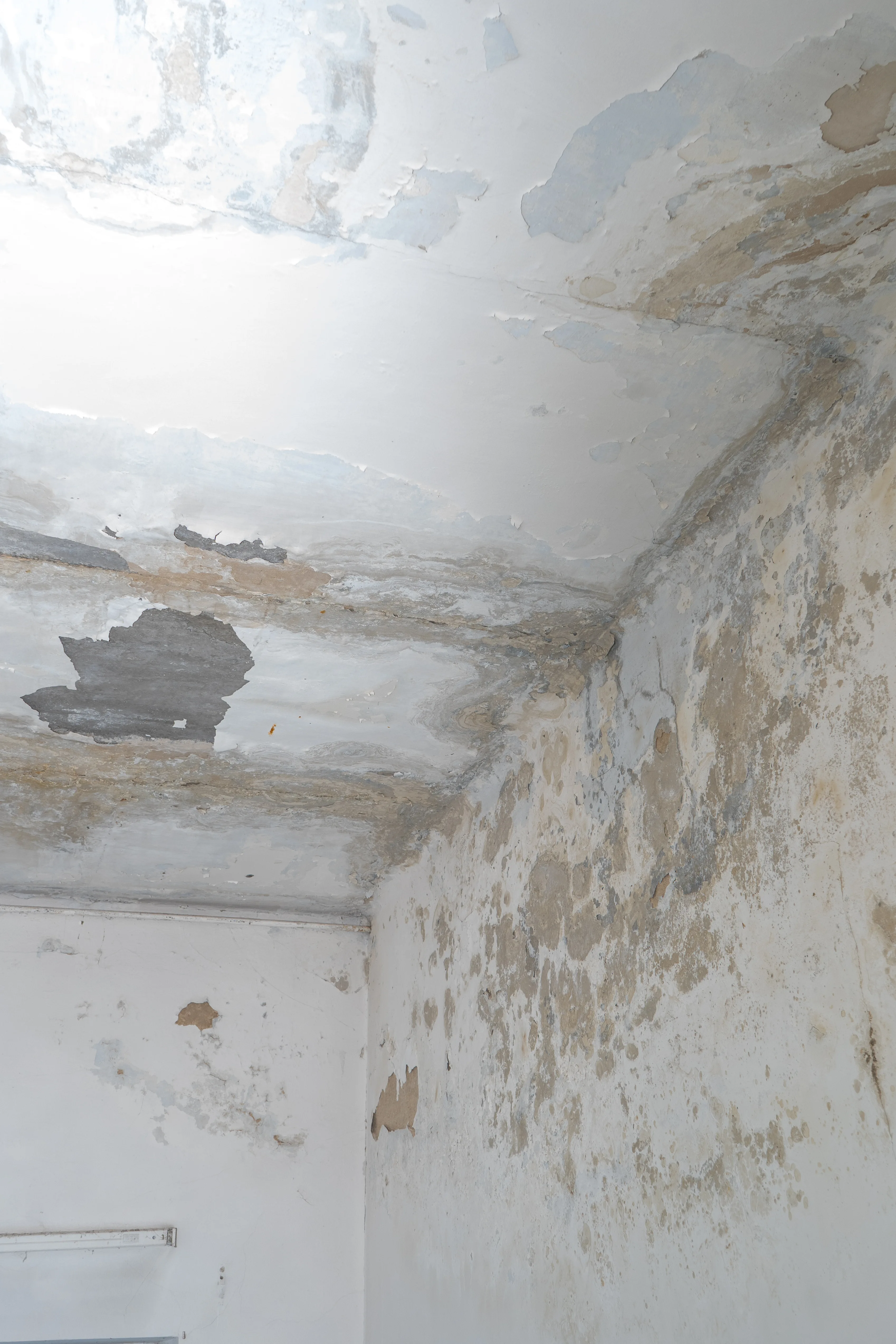
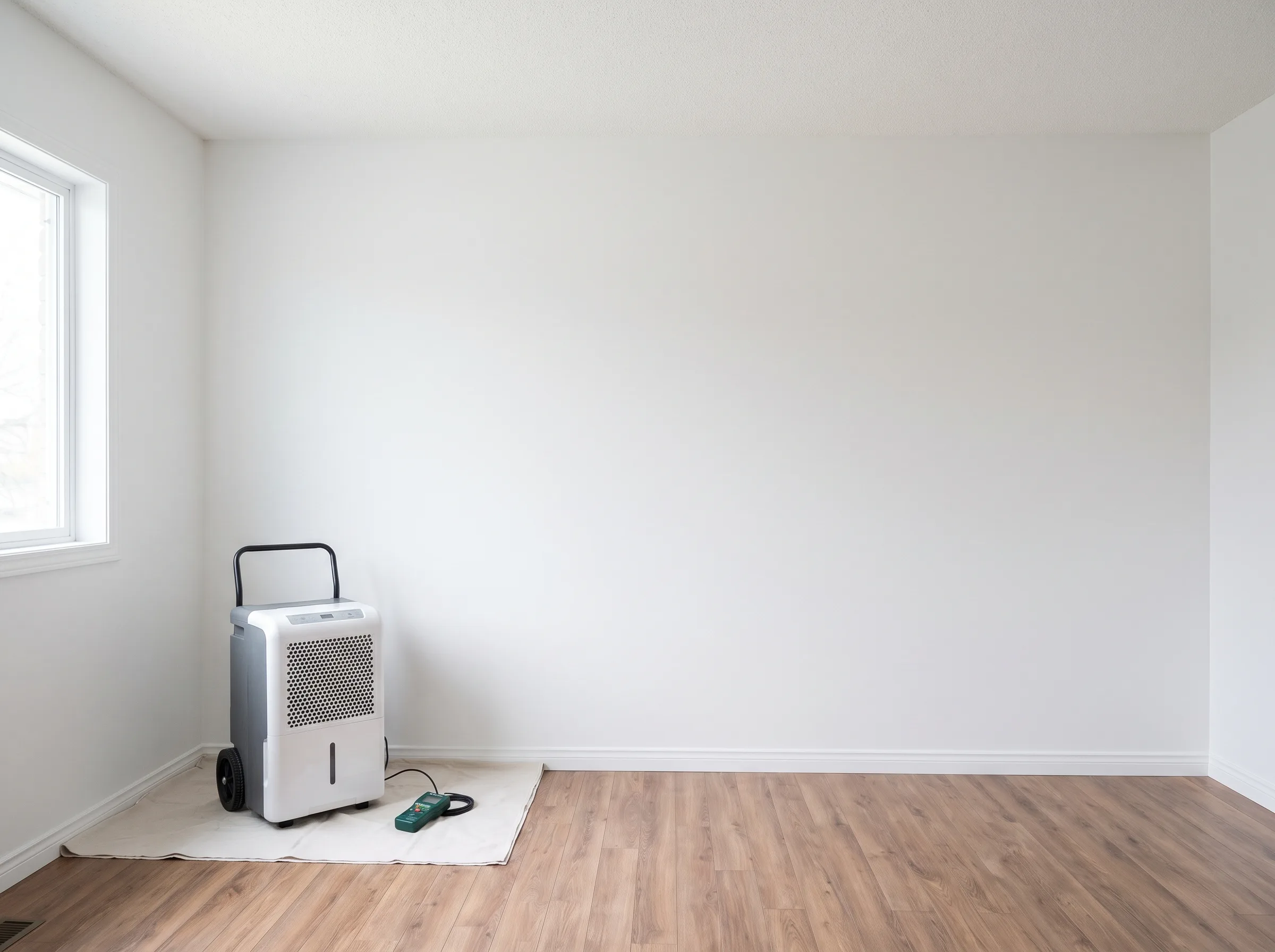
Water Damage Repair: Expert Guide to Recovery
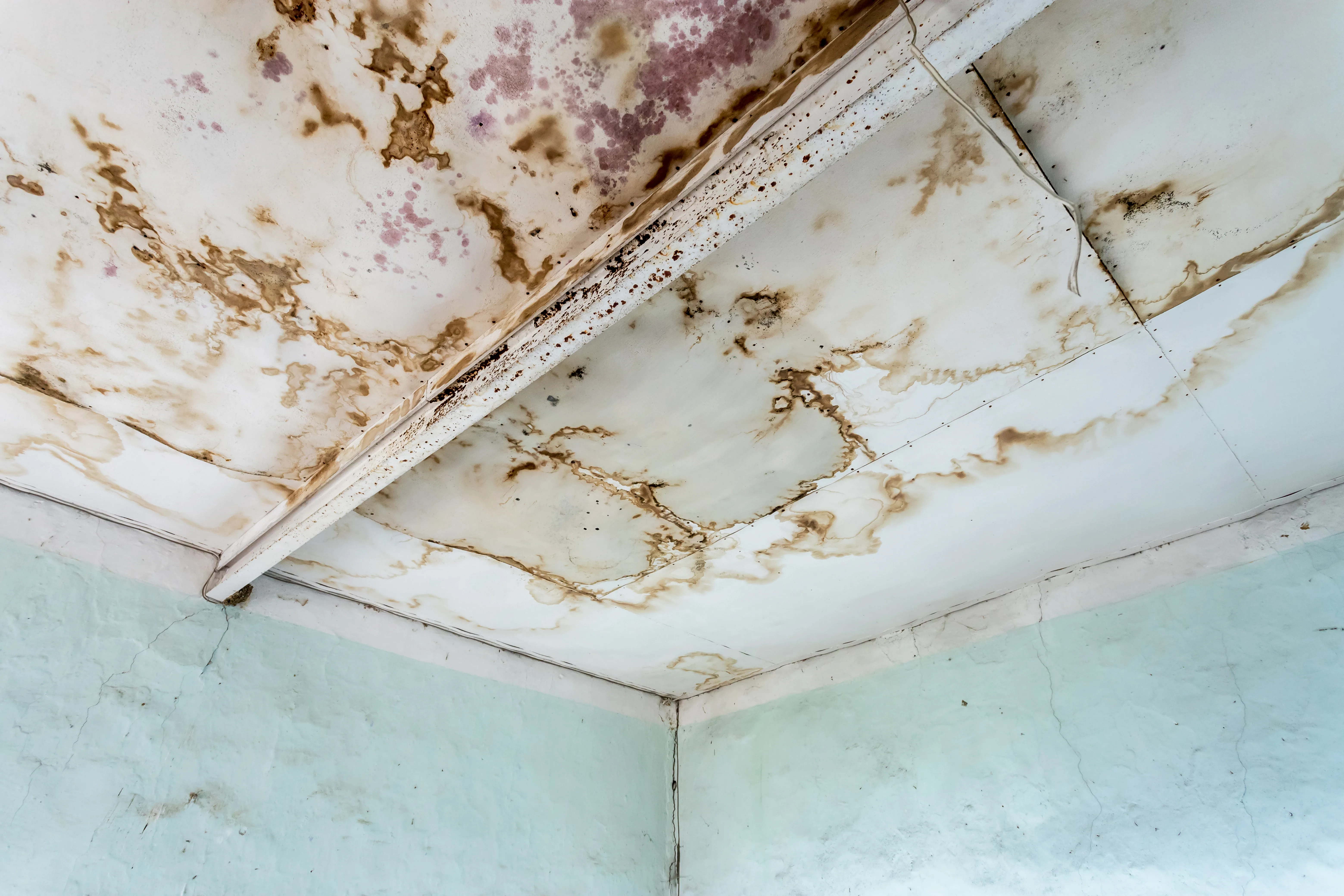
Water spreads fast and damages far deeper than it looks. Behind a stained ceiling or a bubbling wall lies compromised plaster, weakened timber, and - in many cases - a growing mould risk that threatens both the structure and its occupants. Water damage repair is never purely cosmetic; it demands a disciplined process that addresses the root cause before any restoration work begins.
A Roadmap, Not a Quick Fix
This guide maps the complete water damage repair journey - from accurate damage assessment and surface preparation through to material selection and final reinstatement. Drawing on 24 years of professional restoration experience in London, working across schools, council buildings and private homes, it is a practical roadmap built to deliver lasting results.
Why Structured Recovery Matters
Effective water damage repair protects structural integrity, satisfies insurance requirements and ensures surfaces stay sound long after the work is complete. Every stage counts.
What Causes Water Damage and Why Immediate Action Matters
Water intrudes through many routes - and it rarely announces itself before the damage is done. Burst pipes, leaking roofs, rising damp creeping through foundations, and persistent condensation on cold walls are the most common triggers requiring water damage repair. Each source behaves differently, but the outcome is the same: moisture penetrates layers of plaster, timber, and render, weakening structures from the inside out.
The Most Common Culprits
- Burst or leaking pipes saturate walls and ceilings rapidly, often without visible signs until staining appears.
- Roof leaks channel water down rafters and into ceiling voids, spreading far beyond the entry point.
- Rising damp draws ground moisture upward through masonry, causing persistent salt staining and paint failure.
- Condensation builds steadily in poorly ventilated spaces, promoting mould growth and surface degradation.
Why Every Hour Counts
Delaying water damage repair is a costly mistake. Within hours, moisture migrates deeper into substrate materials, making remediation more invasive and expensive. What begins as a surface stain can evolve into structural decay, mould colonisation, and compromised insulation - all of which demand far more extensive intervention than early-stage water damage repair would have required.
How to Assess the Full Extent of Water Damage Before Repair
Rushing into water damage repair without a thorough assessment is the single biggest cause of failed repairs. What looks like a surface stain rarely tells the whole story. At Matt Precision Painting - 24 years serving London's homes, schools and council properties - every inspection begins by pressing into the plaster. Soft, powdery or hollow material signals deep saturation that no quantity of filler or paint will ever fix.
Look Beyond the Stain
Discolouration on walls and ceilings is just the entry point. Probe the surrounding plasterwork for compromised render, map the spread of moisture beyond the visible edge, and pay close attention to any area that sounds hollow when tapped. Water travels, and it rarely stops where it appears to.
Timber and Hidden Cavities
Saturated timber warps, weakens and breeds mould silently behind finished surfaces. A thorough water damage repair assessment must include skirting boards, window frames and any structural timber embedded in external walls - because damage discovered late always costs significantly more to correct.
Water Damage Repair on Interior Walls and Ceilings
Water damage repair on interior walls and ceilings follows a strict, non-negotiable sequence - and every stage matters. Skipping even one step compromises everything that comes after. With 24 years of experience in surface preparation and skimming across schools, council buildings, and private homes, Matt Precision Painting treats each stage as equally critical, never as optional.
Drying and Cutting Out
Before any new material is applied, the substrate must be completely dry. Moisture trapped beneath fresh plaster will crack, bubble, or delaminate within weeks. Once confirmed dry, all damaged plaster is cut back firmly to a sound, stable edge - no softness, no compromise.
Prime, Skim, Finish
With bare substrate exposed, the sequence continues methodically:
- Prime the raw surface to seal it and control suction, preventing premature drying of the skim coat.
- Apply fresh skim in controlled passes, achieving a flat, paint-ready finish consistent with the surrounding wall.
- Allow full curing between layers before any further work begins.
Thorough water damage repair is only as strong as its preparation - a standard that defines every repair Matt Precision Painting delivers.
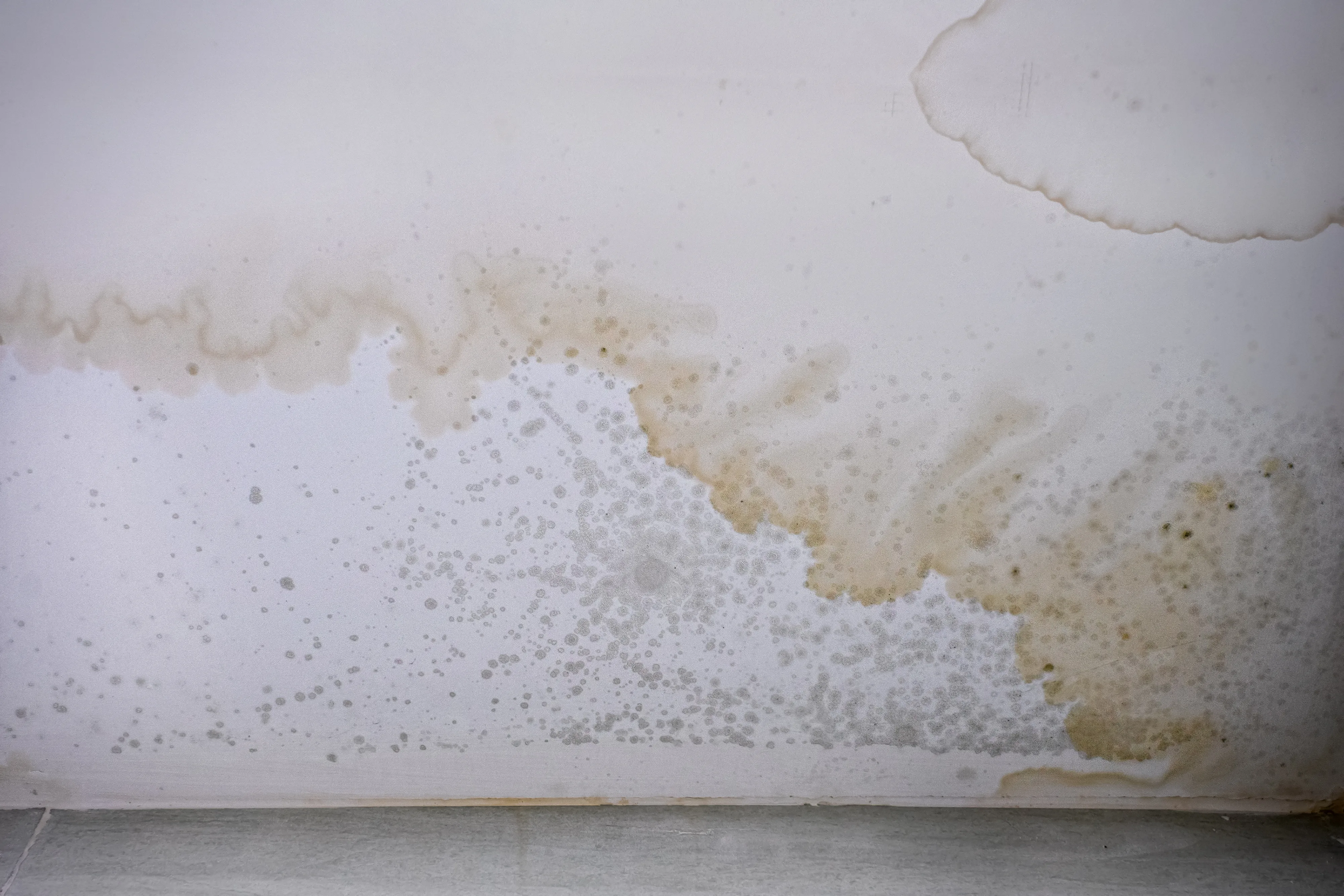
Restoring Exterior Surfaces: Water Damage Repair for Facades and Render
Exterior facades take the hardest punishment from London's climate, and patchy repairs rarely hold. Effective water damage repair on rendered surfaces demands a disciplined sequence: partial patching over compromised render simply traps moisture beneath and accelerates the deterioration cycle all over again.
Strip, Treat, Rebond Correctly
Every credible water damage repair begins with complete removal of failing render - not just the visibly cracked sections. The exposed substrate must then be treated to neutralise residual salts and dampness before new render is applied in chemically compatible layers. Rush this sequence and the moisture cycle resumes within one or two seasons.
Choosing the Right Render System
Matt Precision Painting's 24 years of London exterior work have shown that render compatibility is non-negotiable:
- Match render permeability to the substrate to allow the wall to breathe freely.
- Apply coats progressively, each fully cured before the next, to prevent delamination.
- Seal the finished surface with a breathable, weather-resistant decorative coating.
This systematic approach - trusted by schools, local authorities and private homeowners alike - ensures restored facades protect the structure for years ahead.
Water Damage Repair for Timber, Skirting Boards and Decorative Features
Timber, skirting boards and decorative features are among the most nuanced areas of water damage repair. Accurate diagnosis is essential: surface staining rarely affects structural integrity, while soft rot signals degraded wood fibres, and advanced structural decay means the element can no longer perform its function safely. Treating all three scenarios the same way is a costly mistake.
Consolidate, Fill or Replace?
Not every damaged timber requires full replacement. Effective water damage repair often involves:
- Treating sound but softened wood with epoxy consolidant to restore its rigidity before filling.
- Applying flexible, paintable wood filler to shallow surface voids and minor damage.
- Replacing sections entirely where rot has spread deep into the grain or compromised wall fixings.
Assessment Comes First
Skipping thorough assessment is where long-term failures begin. At Matt Precision Painting, every water damage repair to decorative features starts with probing for hidden softness, checking moisture levels and tracing the source - so the fix addresses the cause, not just the surface.
Damp-Proofing and Prevention: The Foundation of Lasting Water Damage Repair
Repainting a damp wall is not water damage repair - it is an expensive postponement. Without eliminating the moisture source and installing proper barriers, any new finish will blister, peel and stain within months, leaving you facing the same cost all over again.
Seal the Source First
Damp-proof membranes applied to basement and ground-floor walls block rising damp at its origin. Above grade, breathable coatings allow masonry to release trapped vapour without letting rainwater penetrate - a balance that standard paint simply cannot achieve. Adequate ventilation, particularly in bathrooms and kitchens, prevents condensation from undermining interior finishes before they have a chance to cure.
Prevention Built Into Every Repair
At Matt Precision Painting, with 24 years of London experience, every water damage repair plan integrates these protective measures from the outset. Clients - from private homeowners to schools and local authorities - receive a clear assessment of underlying moisture risks before a single coat of plaster is applied. That transparency is precisely what makes the result last.
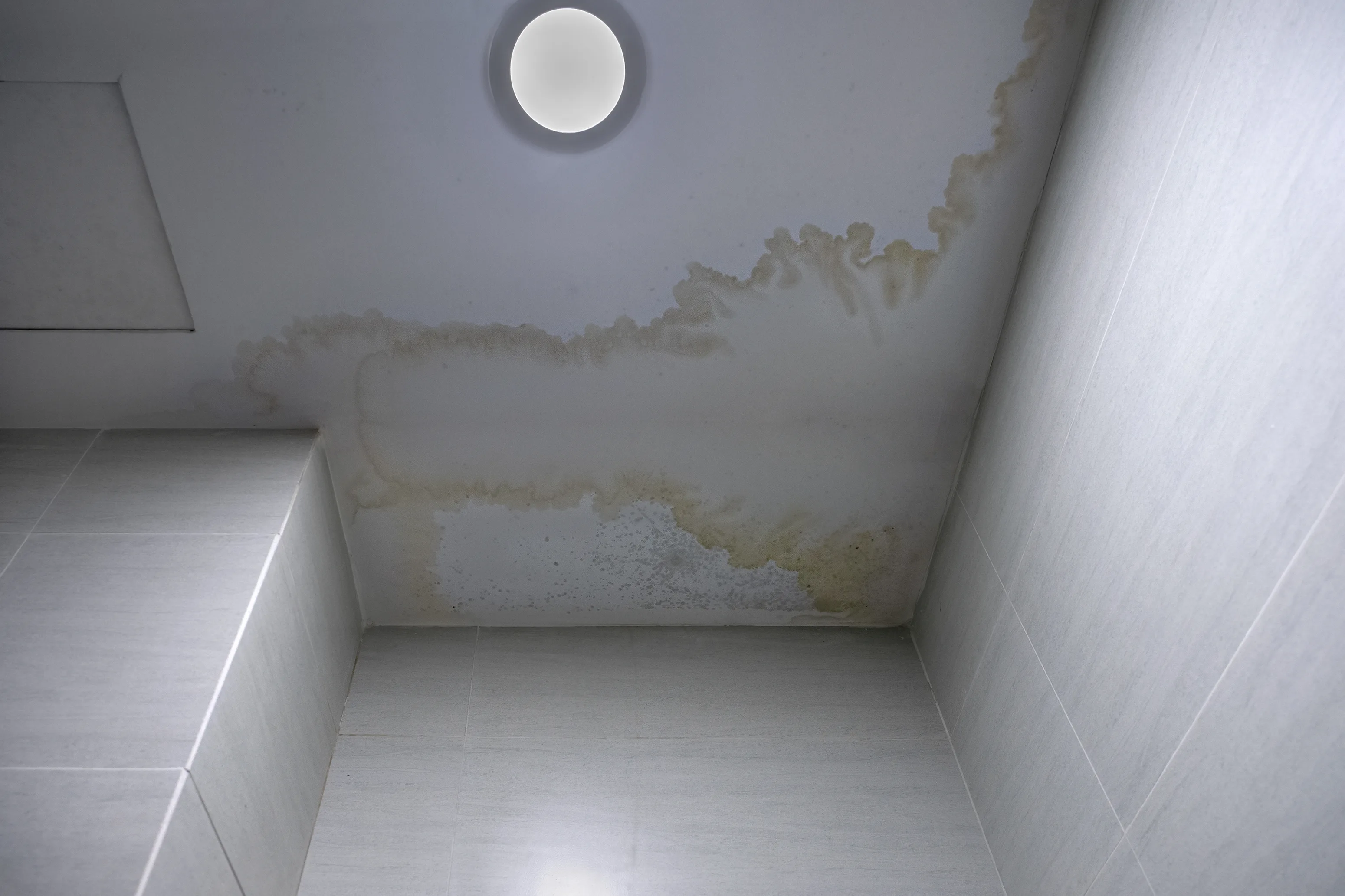
Choosing the Right Materials for Professional Water Damage Repair
Material selection is arguably the most consequential decision in any water damage repair project. Choose the wrong primer and you seal in residual moisture; pick an incompatible board and the repair fails within months - regardless of how well it is applied.
Breathable vs. Moisture-Resistant Options
Lime-based plasters remain the gold standard for older masonry substrates. Their natural breathability allows residual moisture to escape rather than becoming trapped beneath the surface, preventing the cycle of recurring damage. On modern drylining systems, moisture-resistant gypsum boards paired with specialist vapour-barrier primers deliver superior durability. The critical principle: always match the material to the existing substrate, not the other way around.
Sealants and Final Surface Integrity
Flexible sealants applied at junctions and penetrations stop future water ingress - but only when chemically compatible with adjacent surfaces. At Matt Precision Painting, every water damage repair begins with a thorough substrate assessment, because selecting the correct material combination is precisely what separates a lasting structural fix from a cosmetic patch that fails by winter.
Water Damage Repair in Rental Properties and Insurance Claims
For landlords and property managers, water damage repair carries consequences that extend well beyond the physical repairs themselves - affecting tenancy agreements, insurance claims, and legal obligations. Thorough photographic documentation, taken immediately after damage is discovered, is the critical first step. Capture every affected surface, note timestamps, and preserve all correspondence with tenants.
Itemised Schedules Insurers Accept
Insurers rarely settle on vague estimates. Request detailed, itemised repair schedules specifying materials, labour, and projected timelines. Contractors who produce written condition reports - clearly outlining the scope of water damage repair, methods applied, and materials used - give insurers the evidence needed to process claims efficiently and minimise disputes.
Working With Compliant Contractors
Choose contractors experienced in producing documentation that satisfies both insurer requirements and tenancy obligations. Matt Precision Painting, with 24 years operating in London, delivers thorough water damage repair assessments and communicates transparently at every stage - helping landlords stay compliant and return properties to a fully lettable standard without delay.
Why Surface Preparation Is Critical to Effective Water Damage Repair
Every water damage repair job lives or dies at the preparation stage. A premium emulsion applied over a damp, contaminated or structurally compromised substrate will blister, peel or fail within weeks - wasting both materials and money. After 24 years of restoring surfaces across London, Matt Precision Painting has seen the consequences of rushed preparation first-hand: beautiful finishes that mask underlying problems rather than solve them.
What Preparation Actually Involves
Thorough preparation for water damage repair means far more than allowing a wall to dry before painting. It requires systematic assessment and sequential action:
- Moisture levels must be tested and confirmed safe before any filler or finish is applied.
- Contaminated or weakened plaster needs to be cut back to a sound edge, not simply skim-coated over.
- Stain-blocking primers must be used to seal residual water marks and prevent bleed-through.
Why Deadlines Cannot Rush It
Clients - from private homeowners to schools and local authorities - understandably want disruption kept to a minimum. But no timeline justifies skipping steps that protect the long-term result. Effective water damage repair takes as long as the surface demands, not as long as the schedule allows.
How Matt Precision Painting Approaches Water Damage Repair in London
With 24 years of experience across London, Matt Precision Painting has developed a disciplined, stage-by-stage process for water damage repair that goes well beyond cosmetic fixes. Every project begins with a thorough on-site assessment - identifying the source, extent and structural implications of the damage before a single tool is picked up.
Transparent Scope, Right Materials
The findings are communicated clearly to the client, with a full scope of works agreed before any repairs begin. Correct material specification is critical: the wrong products can trap moisture and accelerate deterioration. The team selects primers, fillers and finishes matched precisely to each surface and condition.
Proven Across Every Property Type
From schools and council buildings to private homes, Matt Precision Painting delivers water damage repair with the same meticulous oversight on every site:
- Each affected area is assessed individually to ensure nothing is overlooked.
- Experienced specialists monitor progress at every stage, from substrate preparation to final finish.
- Clients receive clear updates throughout so they always understand what is happening and why.
Common Mistakes Homeowners Make When Attempting Water Damage Repair
Attempting water damage repair without professional knowledge is one of the most expensive decisions a homeowner can make. The three most damaging shortcuts - painting over water stains without a stain-blocking primer, replastering before the substrate has fully dried, and ignoring the original moisture source - appear to save time and money. In reality, they guarantee repeat failures and significantly higher remedial costs.
The Primer Shortcut
Skipping a stain-blocking primer allows tannins and minerals to bleed straight through fresh paint within weeks. What seems like a quick fix becomes a recurring cycle of repainting - a pattern the team at Matt Precision Painting encounters regularly across London properties, from private homes to council-managed buildings.
Wet Substrate, Wasted Work
Replastering onto a damp wall traps moisture beneath the surface, causing bubbling, cracking, and mould growth. Proper water damage repair always begins with thorough drying - skip this step, and every subsequent material layer is compromised from day one.
How Long Does Water Damage Repair Take? A Realistic Timeline
No two properties are alike, and neither is the timeline for water damage repair. The process unfolds in distinct phases - and rushing any of them risks further damage or premature failure of decorative finishes.
Phase One: Drying and Assessment
Before any repair work begins, affected areas must be thoroughly dried and professionally assessed. Depending on the extent of saturation and material type, this stage alone can take 3-7 days. At Matt Precision Painting, with 24 years of experience in London, our team conducts a careful evaluation to determine the full scope of structural and surface damage.
Phase Two: Repair and Finishing
Once surfaces are stable, water damage repair moves into structural correction, skimming, and redecoration:
- Minor plaster repairs and repainting typically take 1-3 days.
- Moderate damage affecting ceilings or multiple walls requires 1-2 weeks.
- Severe cases involving timber or external elements can take 2-4 weeks or more.
Honest timelines protect your property - and your peace of mind.