
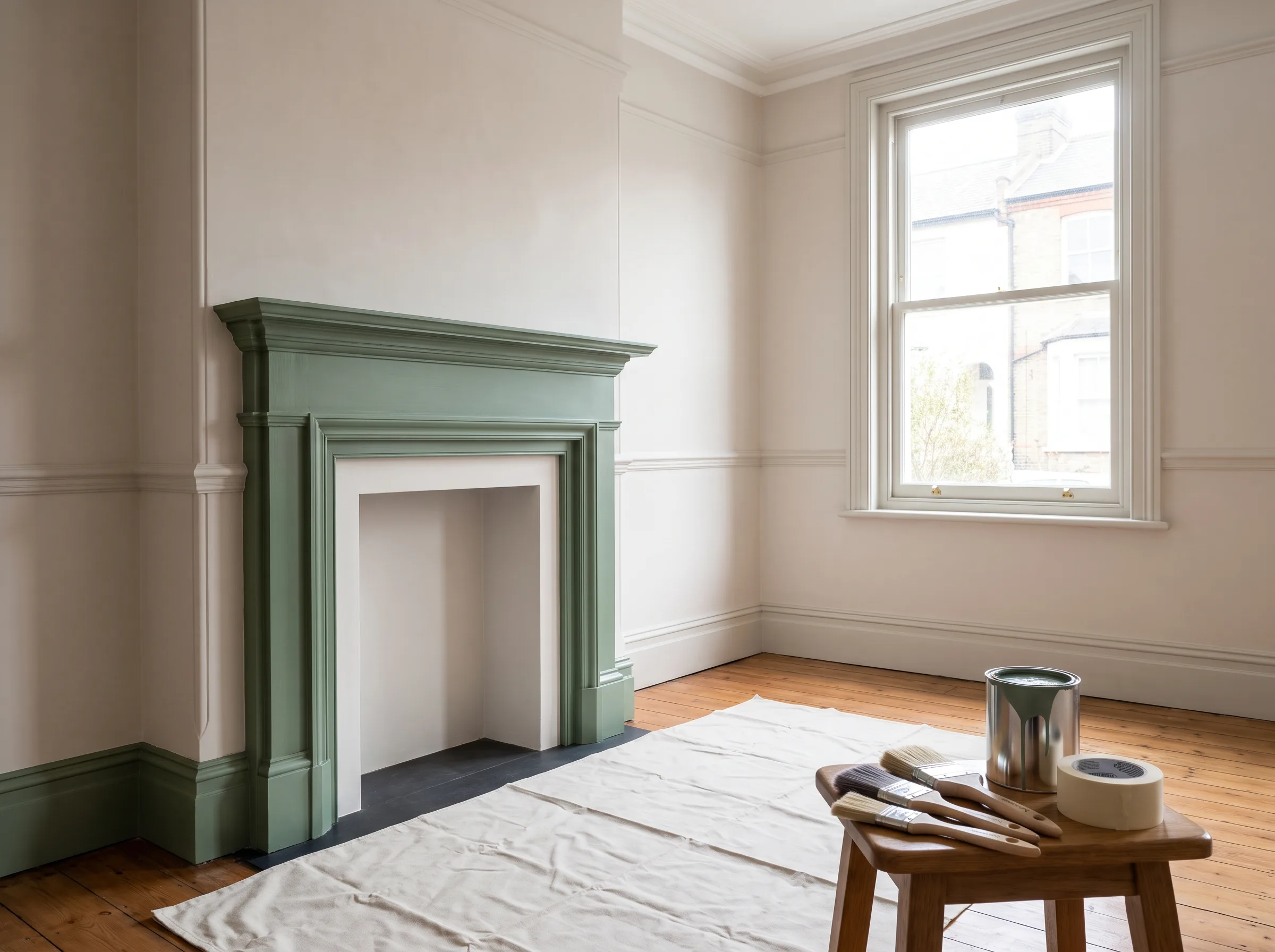
Vintage Home Décor: A Complete Guide to Authentic Restoration
Authentic vintage home décor is not simply a style choice - it is a commitment to preserving history, and every detail matters. Period properties tell stories through their walls, woodwork, and surfaces; restoring them demands precision that only genuine experience can deliver. With 24 years of craftsmanship across London, the nuances of bringing these spaces authentically back to life are well understood.
What This Guide Covers
This complete guide to vintage home décor walks you through every stage of authentic restoration - from surface preparation and crack repair to decorative wallpaper installation and wood varnishing. Each step builds toward a result that honours your home's original character.
Why Craftsmanship Defines Results
Restoring a period property is never one-size-fits-all. Success depends on:
- Choosing traditional materials and methods suited to the property's age and structure.
- Maintaining open communication at every project stage to honour your design vision.
- Applying precision techniques that older surfaces uniquely demand.
When vintage home décor is handled with genuine expertise, the outcome is not just beautiful - it is lasting.
What Defines Authentic Vintage Home Décor
Authentic vintage home décor is not a surface-level trend - it is a commitment to historical accuracy. Each era carries its own signature: specific colour palettes, material choices, and construction methods that made period interiors unmistakably distinct. Reproducing these details without understanding their origins produces results that feel decorative rather than genuine.
Materials and Colour Palettes Matter
True vintage home décor relies on period-accurate pigments, traditional wallpaper patterns, and finishing techniques such as wood varnishing that have remained unchanged for generations. These are not aesthetic shortcuts - they are the building blocks of authenticity, demanding both knowledge and precision from whoever applies them.
Craftsmanship as the Foundation
Period properties carry decades of character in their surfaces. Authentic restoration means reading those surfaces carefully - repairing, preparing, and finishing them in ways that honour the original architecture. This level of craft is what separates genuine vintage home décor from mere imitation.
Assessing Your Period Property Before Starting Restoration
Period properties tell stories through their walls - and those walls rarely whisper. Hairline cracks, uneven plaster, layers of incompatible paint, and outdated surface treatments are common discoveries that can derail even the most carefully planned vintage home décor project. Before committing to a single design decision, walk every room methodically and document what you find.
Read the Walls First
Run your hands across surfaces and look for damp patches, bubbling paint, or soft plaster - signs that remediation must precede decoration. Surface preparation and crack repair are not optional steps; they are the foundation of any authentic vintage home décor restoration. Skipping them leads to premature peeling and wasted investment.
Check Woodwork and Period Details
Skirting boards, cornices, and window frames define a period property's character. Inspect each for rot, warping, or previous damage. Professionals with over two decades working on London period homes know that wood varnishing and woodwork assessment often reveal hidden structural issues that must be resolved before any decorative work begins.
Surface Preparation: The Essential First Step in Vintage Home Décor
No vintage finish survives a poorly prepared surface. Whether stripping decades of old paint or smoothing hairline cracks in period plasterwork, the groundwork you invest before the first brushstroke determines everything that follows. In vintage home décor, authenticity begins beneath the surface - and cutting corners here means the entire aesthetic collapses within months.
What Preparation Covers
Matt Precision Painting's 24 years of London experience confirm that older properties demand far more than a quick sand-down. Proper surface preparation for vintage home décor includes:
- Stripping wallpaper or flaking paint without damaging the original substrate.
- Filling cracks common in period plasterwork to create a smooth, stable base.
- Applying correct primers to ensure lasting paint adhesion and colour depth.
Why It Cannot Be Skipped
Skipping preparation is the most common reason vintage finishes fail prematurely. Period properties carry years of movement, moisture, and layered materials - each requiring careful assessment before any decorative work begins.
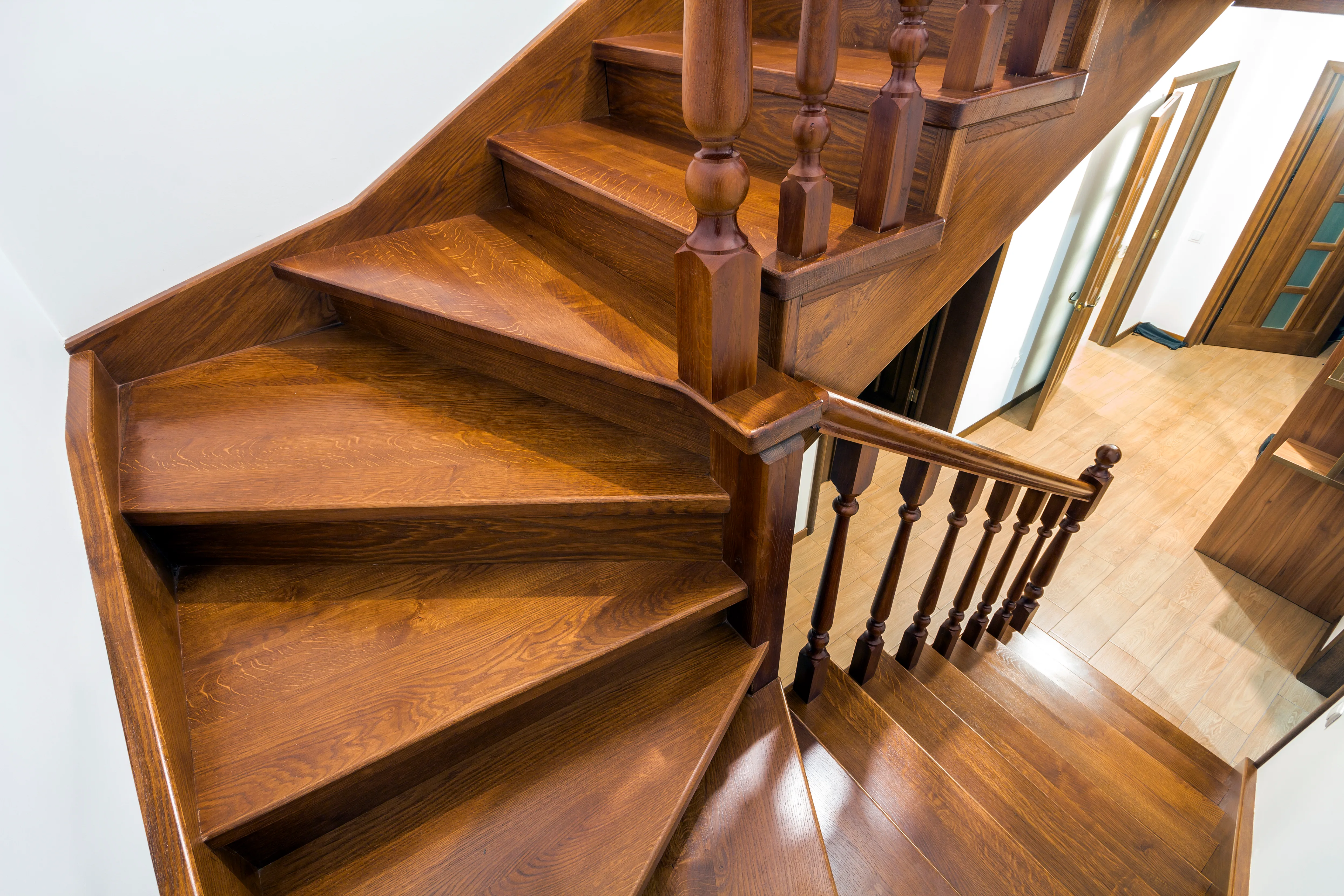
Crack Repair and Wall Remediation in Older Properties
Older walls tell stories - but they also conceal problems. Behind every charming period surface lie potential cracks, damp patches, and unstable plaster that will undermine any decorative effort if left unaddressed. In vintage home décor, the foundation matters as much as the finish.
H3: Diagnosing the Damage First
Thorough wall assessment reveals structural issues invisible to the untrained eye. Matt Precision Painting's 24 years of London experience mean the team identifies hairline fractures, settlement cracks, and compromised plaster with precision - applying targeted remediation rather than superficial filler that fails within months.
H3: A Surface Worth Decorating
Only properly remediated walls support authentic vintage home décor. Stable, smooth surfaces allow period wallpapers, decorative finishes, and careful painting to perform as intended - lasting for years and genuinely honouring the character of the original property.
Choosing the Right Paint Colours to Achieve a Vintage Home Décor Look
Paint colour is the single fastest way to anchor a room in a specific era. For authentic vintage home décor, the palette leans away from stark whites and bold saturated tones, favouring instead hues that feel settled, slightly faded, and genuinely rooted in history.
Period Palettes That Work
The most effective period-appropriate choices include:
- Muted earth tones such as ochre, terracotta, and warm taupe to ground living spaces in natural warmth.
- Dusty pastels - sage green, powder blue, and blush - that evoke early 20th-century drawing rooms.
- Deep heritage shades like burgundy, forest green, and midnight navy for richly layered feature walls.
Finish Matters as Much as Shade
Choosing the right colour is only half the work. In genuine vintage home décor, the finish is equally critical. With 24 years of experience, Matt Precision Painting understands that a flat or eggshell coat on period woodwork reads entirely differently to a high-gloss finish - and only one feels truly authentic to the era. Selecting both shade and sheen together is what separates a convincing restoration from a superficial imitation of vintage home décor.
Wallpaper as a Centrepiece of Vintage Home Décor
Few design choices define a room as immediately as wallpaper. In vintage home décor, the right pattern - whether bold Victorian damask, delicate Art Deco geometry, or pastoral toile - becomes the visual foundation from which every other element takes its cue. Colour palette, furniture, and textiles all respond to what sits on the walls.
Pattern Matching Demands Precision
A flawlessly hung repeat pattern is one of the most telling markers of professional workmanship. With 24 years of experience, Matt Precision Painting ensures clean seams and perfectly aligned motifs - details that distinguish an authentic period atmosphere from a disappointing approximation. No misaligned motif goes unnoticed in vintage home décor.
Preparation Defines the Result
Even the finest wallpaper fails on a poorly prepared surface. Older properties require thorough crack repair and surface remediation before installation begins. That groundwork is what allows decorative wallpaper to sit flat, last for decades, and uphold the authenticity that genuine vintage home décor demands.
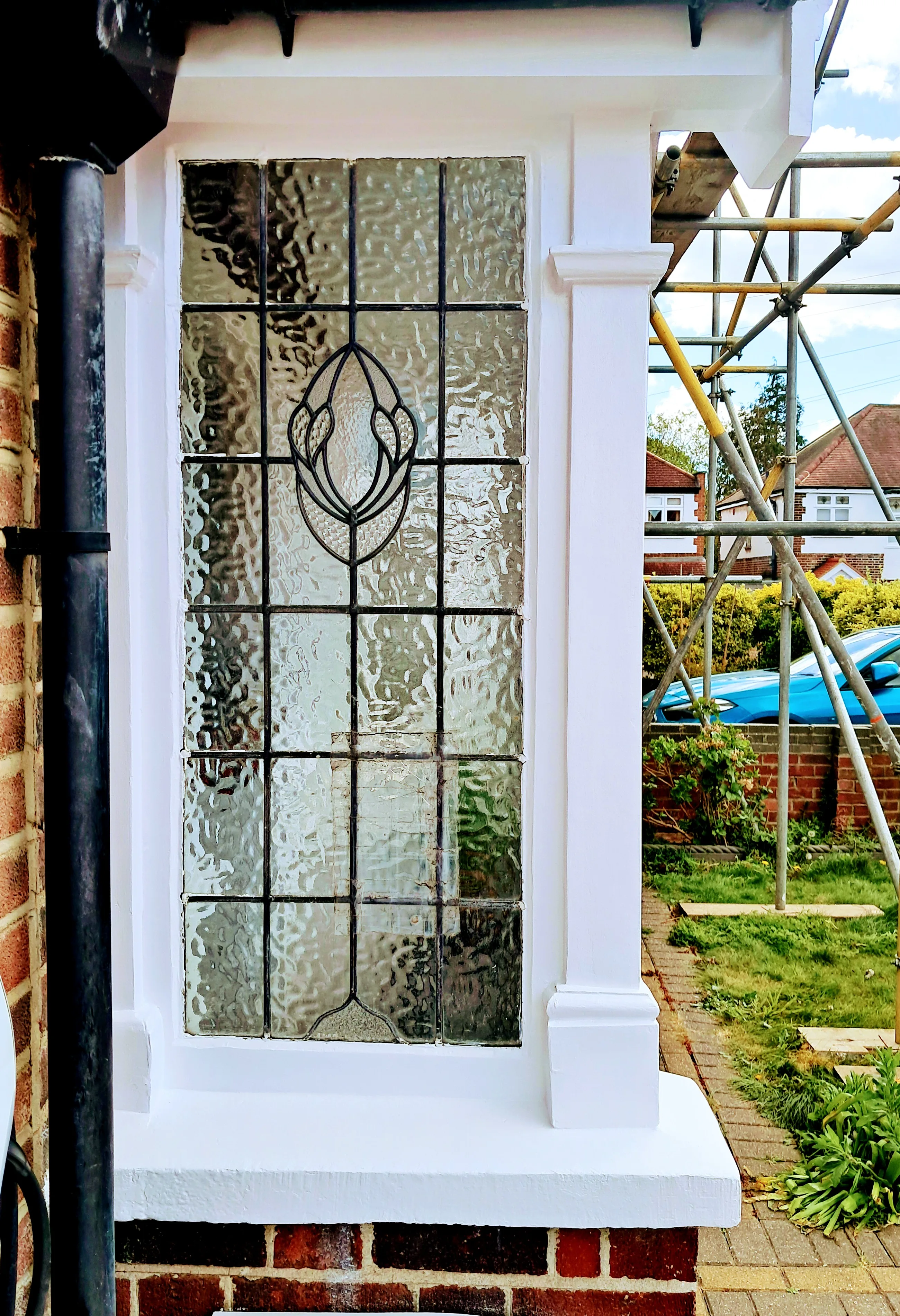
Interior Woodwork and Varnishing Techniques for a Period Finish
Skirting boards, dado rails, window frames, and staircases are the bones of any period interior. In vintage home décor, these elements carry enormous visual weight - their finish either elevates the entire room or undermines it completely. The difference lies in preparation and the choice of varnish: oil-based formulas penetrate deeper, enriching grain and building the warm amber tones that define authentic period woodwork.
Choosing the Right Varnish
Not every product suits every era. A Georgian staircase calls for a different sheen and depth than an Edwardian skirting board. With 24 years of London experience, Matt Precision Painting understands which finishes honour the original character of a property rather than flatten it.
Application That Makes the Difference
In vintage home décor, rushed brushwork shows. Achieving that characteristic aged elegance demands multiple coats, careful sanding between layers, and a craftsman's eye for grain direction and edge detail - precisely the kind of interior woodwork varnishing that Matt Precision Painting delivers.
Decorative Details That Complete Your Vintage Home Décor Vision
Paint and wallpaper lay the foundation, but architectural details close the story. Cornices, ceiling roses, and picture rails carry the period vocabulary of vintage home décor - they signal that every element was considered with intention rather than afterthought.
Restoring Architectural Accents
Cornices and ceiling roses demand precise surface preparation before any decorative work begins. Matt Precision Painting, with 24 years of London experience, treats crack repair and plasterwork remediation as non-negotiable first steps - because even the finest paint finish will betray neglected surfaces beneath it.
Hardware as the Final Touch
Picture rails, door furniture, cabinet handles, and light fittings are the punctuation marks of vintage home décor. Choosing period-appropriate hardware - brass, aged iron, or porcelain - and pairing it with interior woodwork painted and varnished to a professional standard transforms a well-decorated room into an interior with genuine depth and lasting authenticity.
Working with Professional Painters on a Vintage Restoration Project
Choosing the wrong contractor can permanently damage period surfaces and erase the authentic character that makes vintage home décor so compelling. Look for a painter with documented experience in period properties - someone who understands how traditional materials behave and what older homes genuinely demand.
What Experience Actually Looks Like
With 24 years serving London homes, schools, and local authorities, Matt Precision Painting brings exactly this depth of knowledge to every project. Their work spans wallpaper installation, crack repair, surface preparation, and interior wood varnishing - the full toolkit that authentic vintage home décor restoration requires.
Communication Makes the Difference
A contractor committed to open dialogue at each project stage ensures your vision is accurately interpreted, not approximated. Expect them to:
- Assess original surface conditions thoroughly before any preparation work begins.
- Recommend period-appropriate finishes for both woodwork and feature walls.
- Keep you informed at every critical decision point throughout the project.
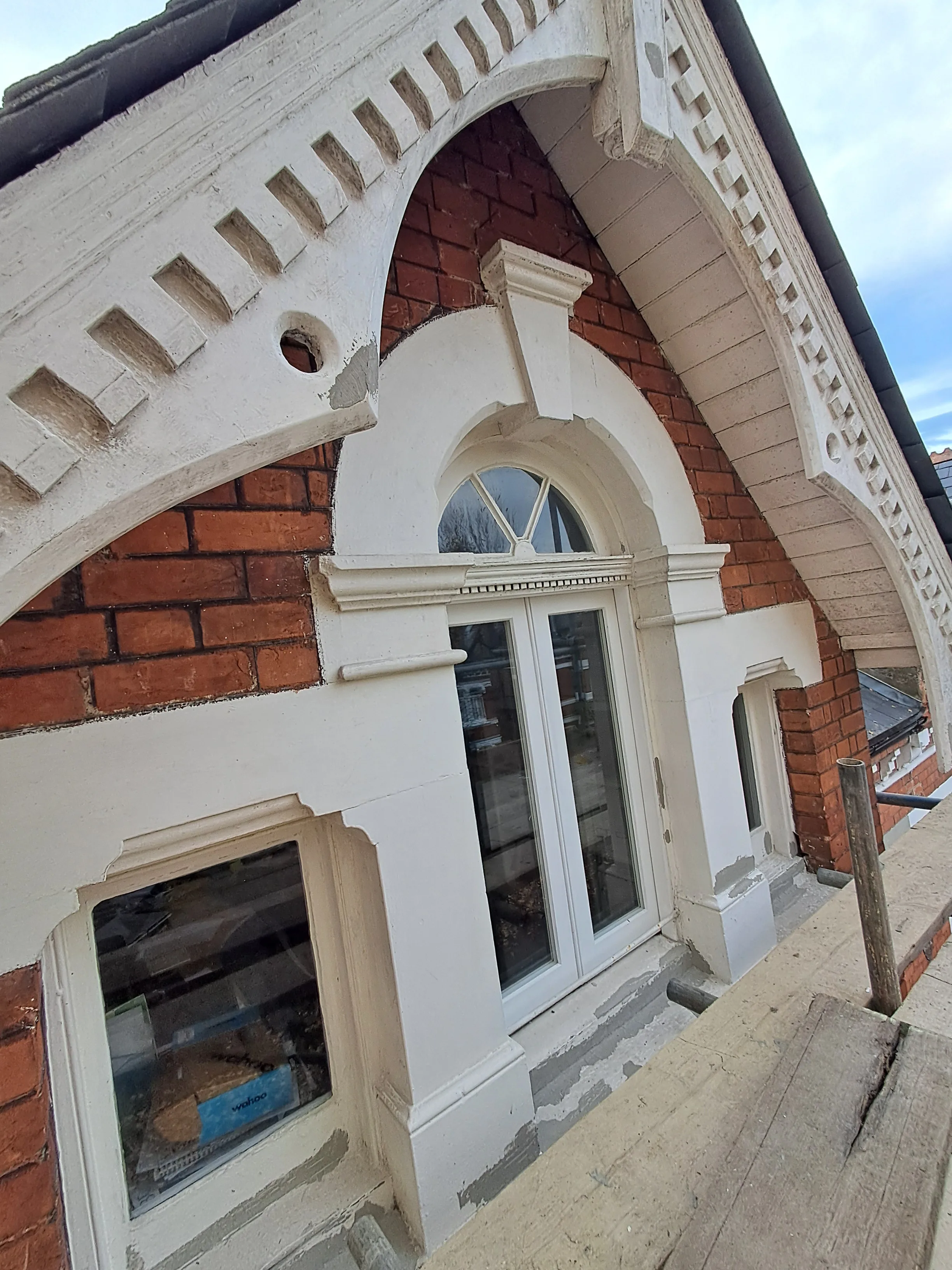
Vintage Home Décor in Commercial and Public Spaces
Commercial and public buildings carry architectural stories that deserve to be told with honesty and care. Applying vintage home décor principles to schools, hotels, and offices creates environments that feel grounded and distinctive rather than generic-without compromising durability or function.
High-Traffic Spaces, Timeless Finishes
Period-appropriate wallpaper installations, varnished woodwork, and precision painting techniques translate beautifully into commercial settings. Matt Precision Painting's 24 years of experience serving schools and local authorities across London demonstrates that vintage home décor is entirely compatible with the practical demands of high-footfall environments-provided the craftmanship is precise and the materials are chosen wisely.
Respecting the Building's Original Character
Older public buildings frequently require thorough surface preparation and crack repair before any decorative work begins. Working with a team that understands traditional materials and methods ensures that every aesthetic decision honours the building's original architecture rather than working against it-preserving both beauty and structural integrity for years to come.
How to Maintain Vintage Home Décor After Restoration
Restoration is only half the story. Vintage home décor rewards those who commit to preserving it with the same care that went into creating it. A consistent maintenance routine - starting the moment the last brush stroke dries - is what separates interiors that age gracefully from those that deteriorate fast.
Daily and Seasonal Habits
Small, regular actions deliver the biggest long-term results. For wallpapered surfaces, restored woodwork, and period paintwork alike:
- Dust delicate surfaces with a soft cloth to avoid damaging period finishes.
- Address chips and cracks promptly - older properties move, and imperfections worsen quickly.
- Inspect varnished woodwork each season and apply a light touch-up coat at the first sign of dullness.
When Professionals Step In
Not every issue suits DIY. Vintage home décor involves traditional materials - aged plasters, heritage wallpapers, specialist varnishes - that respond poorly to guesswork. Periodic inspections by decorators experienced in period properties catch problems early and protect the authenticity that makes restored interiors worth every effort.