
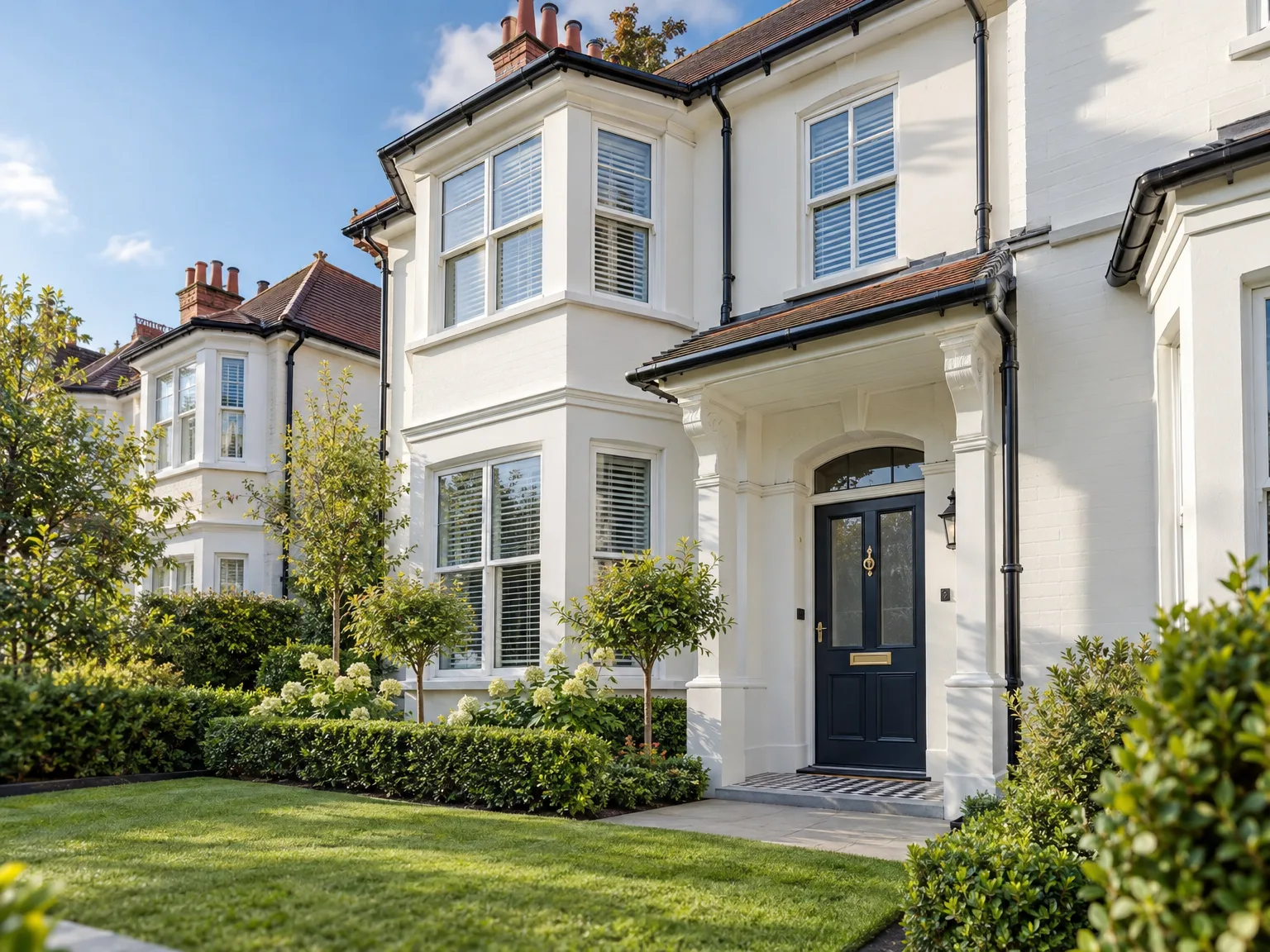
In England, you usually do not need permission to paint a house exterior on a typical freehold home, because routine repainting is treated as permitted development rather than building work. That said, listed buildings, conservation areas and leasehold properties each carry their own rules, so it always pays to check before you lift a brush.
Is Exterior Painting Usually Allowed Without Planning Permission?
For most freehold houses in England, repainting the walls, render or woodwork is considered general maintenance rather than development. Under the General Permitted Development Order (Part 2, Class C), cosmetic work of this kind usually falls within permitted development rights, which means a full planning application is rarely needed.
This is especially clear with a like-for-like refresh, where you reapply the same colour and the same type of paint to surfaces that have already been painted. In those cases the appearance of the building barely changes, so the local authority has little reason to intervene.
It is worth remembering that permitted development has limits. The rights can be removed in certain locations, and they do not cover every situation, such as applying new render or cladding, which is judged under entirely different planning criteria. Painting and re-rendering are not the same thing in the eyes of a planning officer.
Because every property and postcode differs, you should never assume your project is automatically exempt. A quick conversation with your Local Planning Authority before work begins can save a great deal of worry later.
Are There Extra Rules in Conservation Areas?
Conservation areas are designated to protect the character and appearance of a neighbourhood, and they bring an extra layer of consideration for exterior work. In many conservation areas you are still free to repaint your façade, particularly if you keep to colours and finishes in keeping with the surroundings.
The key thing to look for is an Article 4 Direction. When a council puts one in place, it withdraws certain permitted development rights so that it can protect the visual consistency of the street. Where an Article 4 Direction applies, you may need planning permission to repaint your exterior, even for work that would otherwise be routine.
Falling foul of the rules in a conservation area is treated as a planning enforcement matter. The council can issue notices requiring you to put things right, which is far more disruptive than checking in advance.
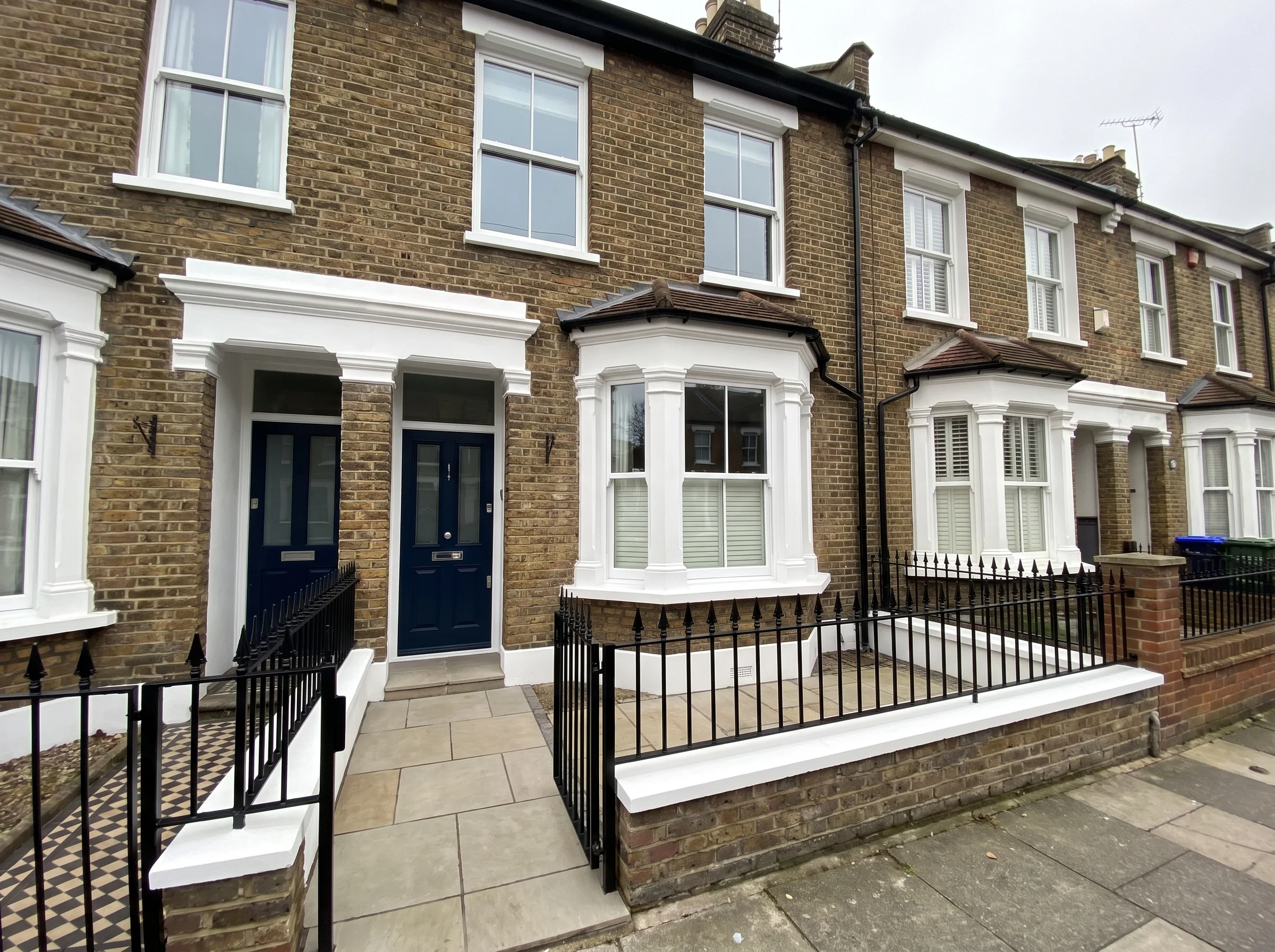
If your home sits within a conservation area, the sensible step is to contact both the Local Planning Authority and the local Conservation Officer. They can tell you whether an Article 4 Direction is in force and advise on acceptable colours and materials.
What Applies to Listed Buildings?
Listed buildings are protected because of their architectural or historical importance, and the threshold for needing consent is much lower than for an ordinary house. If repainting would affect the character of the building - for example a dramatic change of colour, or painting surfaces that have never been painted before - you will usually need separate Listed Building Consent.
Painting previously unpainted stone or brick on a listed building, or stripping existing paint from it, almost always requires consent. Importantly, removing paint is not regarded as simple cleaning; it is treated as a change to the fabric and appearance of the building, so it needs the same formal approval.
The consequences of getting this wrong are serious. Carrying out work to a listed building without consent is a criminal offence, not merely a planning breach, and it can be prosecuted. This is very different from the enforcement route used in conservation areas.
A sensitive like-for-like refresh of already painted surfaces may not need consent, but you should never assume. Always speak to the Conservation Officer first, and keep a record of the colours and paint types already present on the building.
Do Leasehold or Flat Owners Need Approval?
If you own a flat, or a house held on a lease, the planning rules are only part of the picture. Your lease agreement will usually have a decisive say in what you can and cannot do to the outside of the building.
Most leases reserve work to the external walls for the freeholder or the management company, because the structure and shared surfaces are their responsibility rather than yours. In practice this means you normally need written permission from the freeholder, landlord or managing agent before any exterior painting goes ahead.
This applies even when planning permission is not required. Permitted development rights deal with the public planning system; they do not override the private contract set out in your lease. Skipping this step can put you in breach of your lease, with all the complications that brings.
Before booking any work, read the relevant clauses carefully and request approval in writing. It is also wise to confirm whether the freeholder expects a particular colour, finish or contractor, as many buildings aim to keep a consistent look across every unit.
Permission to Paint House Exterior: Signage, Render and Other Exceptions
A few situations sit outside the ordinary rules and deserve particular care. Understanding them helps you avoid an unexpected breach.
- Signage and logos: if you paint a façade to display advertising, a business logo or informational lettering, permitted development does not apply and you will need Advertisement Consent.
- Render and cladding: adding new render or cladding is not the same as painting and is judged under separate, stricter planning criteria.
- Doubt over legality: where you are unsure whether work is lawful without a full application, you can apply to the council for a Lawful Development Certificate.
A Lawful Development Certificate (LDC) is a useful safeguard that many homeowners overlook. It is an official confirmation that your work complies with planning rules, which can protect you if a neighbour later questions the project or when you come to sell.
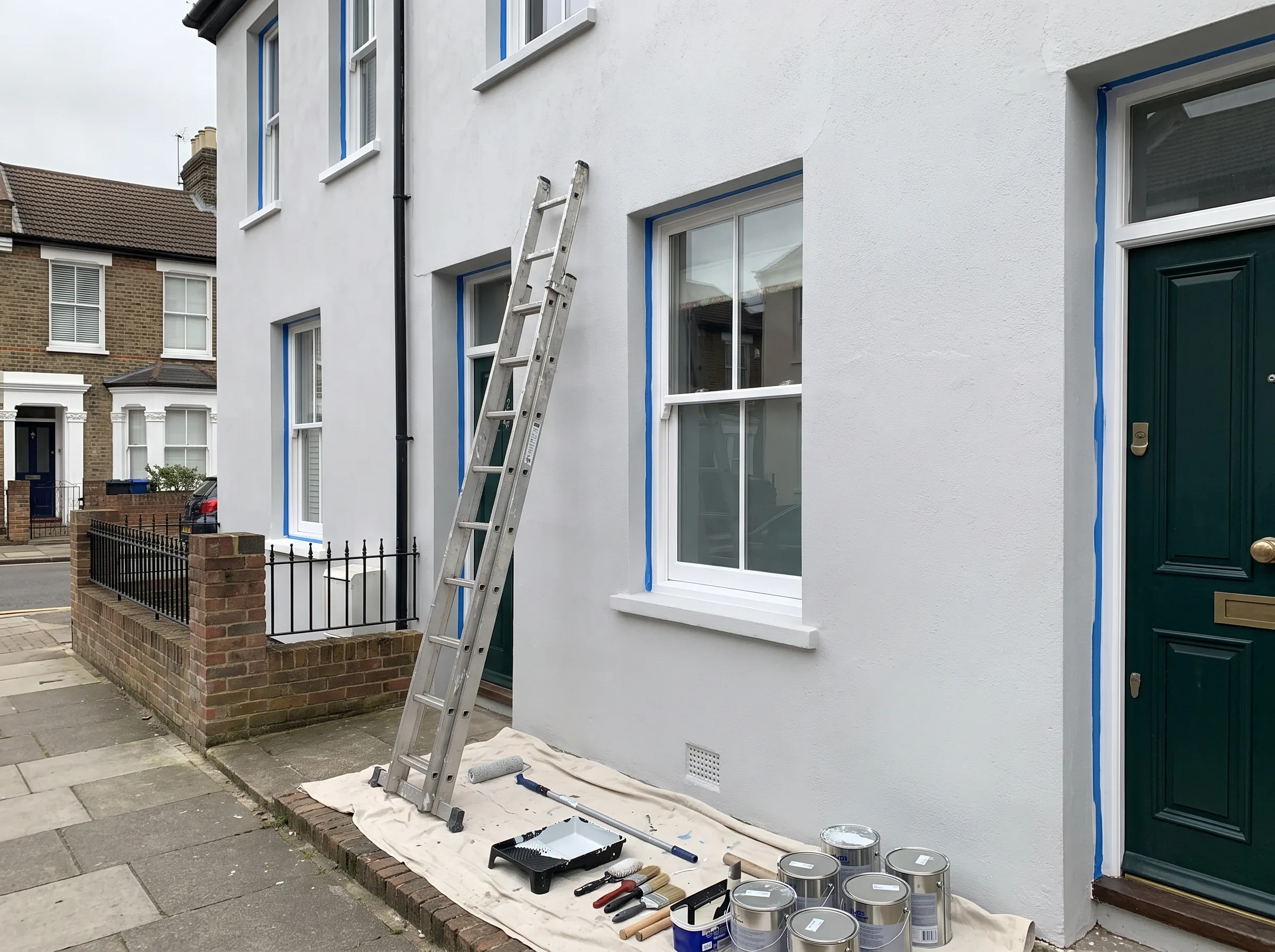
These exceptions show why exterior work is rarely a simple yes-or-no question. If any of them might apply to your home, raise it with the Local Planning Authority early. Painters who regularly handle London façades, such as our team, can also flag issues before they become problems through a well-planned exterior façade painting service.
Choosing Breathable Paints and the Right Weather
Permission is only half the story; the right materials and conditions protect the building itself. This matters most for traditional British properties built with brick or lime plaster.
Older walls were designed to breathe, letting moisture move in and out of the structure. Sealing them with impermeable acrylic paints can trap damp inside the wall, leading to problems over time. Breathable coatings such as limewash or mineral silicate paints are generally the better choice, allowing the fabric to dry out naturally.
Weather is just as important as the coating. Exterior painting is best avoided on rainy days and when temperatures fall below roughly five to eight degrees Celsius, because paint struggles to cure and a damp substrate undermines adhesion.
- Check the forecast and allow surfaces to dry fully before painting.
- Match the paint type to the wall, favouring breathable finishes for traditional construction.
- Keep a note of the colours and products used for future touch-ups.
Getting these technical details right is especially important on listed and period homes, where the wrong paint can cause both damage and a consent problem at the same time.
Where Should I Check the Rules for Your Property?
The safest approach is always to confirm the position for your specific property before any brush touches the wall. Rules depend heavily on location, building status and ownership, so general guidance can only take you so far.
Your first port of call is the Local Planning Authority, usually your local council's planning department. For protected buildings, ask to speak with the Conservation Officer, who deals with listed buildings and conservation areas day to day.
| Your situation | Who to contact | Typical requirement |
|---|---|---|
| Standard freehold house | Local Planning Authority | Usually permitted development |
| Home in a conservation area | Planning Authority and Conservation Officer | Check for an Article 4 Direction |
| Listed building | Conservation Officer | Listed Building Consent likely |
| Leasehold flat or house | Freeholder or managing agent | Written consent under the lease |
| Painting for signage | Local Planning Authority | Advertisement Consent |
Many councils publish their planning policies online, but a direct conversation remains the most reliable way to understand how the rules apply to your particular street and building. If any doubt remains, a Lawful Development Certificate gives you written reassurance, and keeping clear records of every approval makes future sales and maintenance far simpler.
Bringing It All Together
In short, repainting a standard house exterior in England usually falls within permitted development, but conservation areas, listed buildings and leasehold agreements can change that picture entirely. Checking with your Local Planning Authority, Conservation Officer or freeholder before you start is the single most useful thing you can do, and a Lawful Development Certificate offers extra peace of mind where there is any doubt.
If you would like help planning exterior work on your London property, with careful preparation and clear communication at every stage, our team is happy to talk it through. Get in touch for a straightforward conversation about your project.
FAQ - Frequently asked questions
Does repainting a garden or boundary wall follow the same rules?
Freestanding walls are generally treated as minor works, but if they sit within a conservation area or form part of a listed building, the same restrictions can apply. Check with your council before repainting them.
Can the council object to the colour I choose?
On a standard house outside protected areas there is usually no colour restriction. In conservation areas or on listed buildings, however, the authority may expect colours that stay in keeping with the building's character.
Is written permission from a freeholder really necessary for a flat?
In most cases, yes, because the lease reserves external surfaces for the building's management. Always request approval in writing before any exterior painting to avoid breaching your lease.
Does removing old paint from a listed wall count as cleaning?
No. Stripping paint from a listed building is treated as altering its fabric and character, so it normally requires Listed Building Consent rather than being simple maintenance.